Zero-Drop Running Shoes Comparison Ad Template - Square
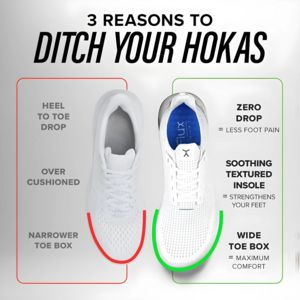
This square footwear ad template is built as a clear side‑by‑side comparison: a “ditch your Hokas” headline at the top, then two top‑down shoe shots framed in red vs green boxes to instantly signal “w...
Free for 7 days — Cancel anytime
About This Template
This square footwear ad template is built as a clear side‑by‑side comparison: a “ditch your Hokas” headline at the top, then two top‑down shoe shots framed in red vs green boxes to instantly signal “wrong vs right.” The left panel lists common pain-point traits (heel‑to‑toe drop, over‑cushioned feel, narrower toe box), while the right panel counters with benefit-led specs (zero drop = less foot pain, soothing textured insole = strengthens your feet, wide toe box = maximum comfort). Bold condensed typography and a clean light-gray background keep the message punchy and highly scannable. Strategically, it uses problem/solution and comparison triggers for mid‑funnel consideration, aimed at product-aware runners already evaluating alternatives. The explicit feature-to-benefit mapping reduces decision friction and reframes comfort as performance. Customize by swapping the competitor name, updating the three claim blocks, and recoloring the red/green frames to match brand guidelines while preserving contrast and the “choice architecture” that makes this layout persuasive.