Nootropic Energy Drink Comparison Ad Template - Story
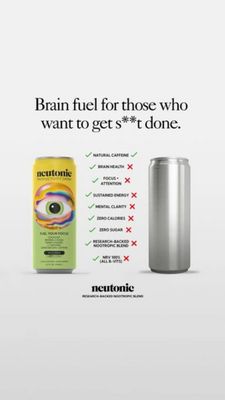
This 9:16 Story template is built for a nootropic energy drink positioned as a smarter alternative to standard canned caffeine. A bold, profanity-censored headline (“Brain fuel…”) anchors the top, ins...
Free for 7 days — Cancel anytime
About This Template
This 9:16 Story template is built for a nootropic energy drink positioned as a smarter alternative to standard canned caffeine. A bold, profanity-censored headline (“Brain fuel…”) anchors the top, instantly grabbing attention and signaling a productivity-first brand voice. The center column uses a clean comparison checklist: green checkmarks on the left versus red X marks on the right, making benefits scanable in seconds (natural caffeine, brain health, focus, sustained energy, mental clarity, zero calories/sugar, research-backed blend, B‑vitamins). Two cans flank the list: a colorful branded can on the left and a plain silver “generic” can on the right—an immediate visual metaphor for premium vs. ordinary. The minimalist off‑white background and editorial serif typography keep the layout modern and credible, ideal for mid-funnel consideration when viewers already know energy drinks but are weighing options. Swap in your flavor, key claims, and a stronger CTA button to fit different brands while preserving the high-contrast comparison structure that makes this creative persuasive.